What is switchboard manufacturing?
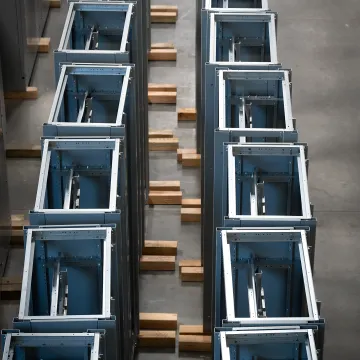
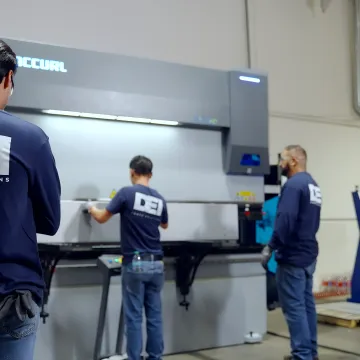
Switchboard manufacturing is the process of designing, assembling, and testing electrical power distribution equipment that safely routes electricity through a facility. It typically includes engineering layouts, component selection, enclosure configuration, bus and breaker integration, documentation, and compliance review. At DEI Power, manufacturing also supports UL 891-certified assemblies, custom specifications, and production-ready solutions for commercial and industrial applications.
What is the difference between a switchboard and a switchgear?
A switchboard generally distributes power through breakers, metering, and protective devices in low-voltage applications, while switchgear is often associated with more advanced protection, isolation, and control functions across low- or medium-voltage systems. In practice, the terms can overlap depending on the project. The key difference is usually the level of protection, application complexity, and system rating required.
What is the purpose of a switchboard?
The purpose of a switchboard is to receive incoming electrical power and distribute it safely to downstream circuits, equipment, or building systems. It helps organize power flow, supports overcurrent protection, and improves service access for maintenance or expansion. In commercial and industrial settings, a properly engineered switchboard also supports code compliance, uptime, and more efficient coordination with the rest of the electrical infrastructure.
What are the different types of switchboards?
Common types of switchboards include service entrance switchboards, distribution switchboards, main-tie-main configurations, metering switchboards, and custom assemblies built for specific facility loads. Some projects also use remote power panels or integrated lineups for critical environments. The right type depends on amperage, voltage, enclosure needs, utility requirements, and whether the system serves commercial buildings, industrial operations, or mission-critical infrastructure.
Can DEI Power build custom switchboards to project specifications?
Yes. DEI Power supports custom switchboard design based on project-specific layouts, voltage requirements, ratings, enclosure selections, and installation conditions. Their engineering process includes concept development, schematic review, component coordination, and finalized submittals prepared for approval and production. This helps contractors and engineers reduce field adjustments, improve fit, and align the finished equipment with jobsite and compliance requirements.
Are DEI Power switchboards UL certified?
DEI Power manufactures UL 891-certified low-voltage switchgear and switchboard solutions, which helps support code compliance, approval workflows, and dependable field performance. UL certification is important because it confirms the equipment is built to recognized safety and construction standards. For customers, that means clearer documentation, smoother submittal review, and greater confidence that the assembly is suitable for demanding commercial and industrial applications.
How quickly can switchboard orders be fulfilled?
Many stocked orders ship within 1 business day, while some configurations may require up to 5 business days. DEI Power also offers free shipping on qualifying orders delivered in 3 to 5 business days. Because the company combines in-house manufacturing with inventory support from its Ontario, California facility, customers benefit from faster turnaround and reduced schedule risk on time-sensitive projects.
What industries use electrical switchboards and related equipment?
Electrical switchboards are widely used in commercial buildings, industrial plants, manufacturing facilities, healthcare environments, utility infrastructure, and data centers. These systems are essential anywhere stable power distribution, coordinated protection, and serviceability matter. DEI Power supports a broad range of applications, including critical infrastructure and high-demand facilities where uptime, scalability, and code-compliant equipment are central to project success.